In the high-stakes world of modern business, the ability to execute on vision is the primary differentiator between market leaders and their competitors. Organizations must transition away from fragmented workflows toward a more integrated approach that emphasizes clarity and speed. Establishing a culture of structured coordination ensures that every initiative contributes directly to the bottom line.
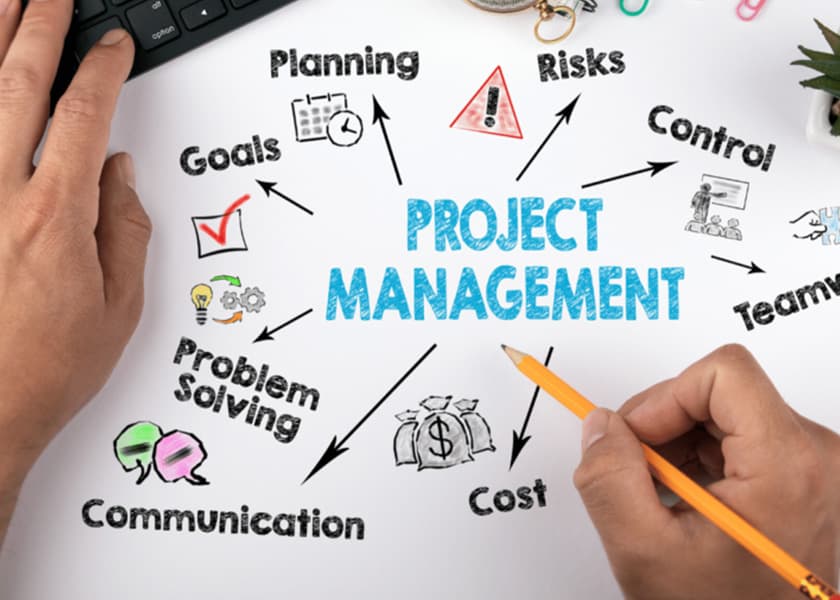
Achieving this level of operational excellence requires a commitment to project management to maintain focus across diverse team structures. When leaders implement standardized frameworks, they provide their employees with a clear path to success and a better understanding of their roles. This alignment is critical for maintaining momentum during complex, long-term assignments.
Transparency serves as the backbone of a resilient organization, allowing for real-time adjustments to shifting market conditions. By centralizing task tracking and communication, businesses eliminate the risks associated with information silos and missed deadlines. This visibility empowers stakeholders to make data-driven decisions that protect the organization’s most valuable resources.
Innovation occurs most frequently when the administrative burden on creative teams is minimized through smart automation. By streamlining routine status updates and reporting, companies allow their talent to focus on high-value problem solving and strategic development. This shift not only improves overall project quality but also significantly boosts employee engagement levels.
Strategic growth is impossible without the oversight provided by professional project management methodologies. These systems offer a high-level view of all active portfolios, enabling managers to identify and resolve bottlenecks before they impact the schedule. Maintaining this level of control is essential for any enterprise looking to scale its operations globally.
The digital transformation of a workspace involves more than just new software; it requires a fundamental change in how work is organized. Transitioning to a unified digital environment ensures that every department is moving in the same direction with synchronized goals. This harmony reduces internal friction and accelerates the timeline for achieving major corporate milestones.
Effective collaboration across different time zones and locations is a hallmark of a modern, forward-thinking business. Utilizing tools that support real-time interaction ensures that global teams stay connected and informed throughout the project lifecycle. This connectivity is vital for maintaining a consistent standard of excellence across all international branches.
Selecting a robust Project management software solution is an investment in the long-term agility and resilience of the firm. A versatile platform provides the necessary tools to adapt to changing requirements without losing data integrity or operational control. High-performing companies recognize that their digital infrastructure is the engine of their success.
In conclusion, the path to sustained organizational growth is paved with clear objectives and disciplined execution. By prioritizing coordination and visibility, any business can transform its operational capacity and achieve its most ambitious goals. The journey toward total efficiency is a continuous process of improvement that begins with the right management foundation.